- 🪞The optimization paradox — Despite booming investment in serums, retinols, and anti-aging routines, most people completely ignore the one environmental factor working against all of it 24/7: the air immediately surrounding their skin.
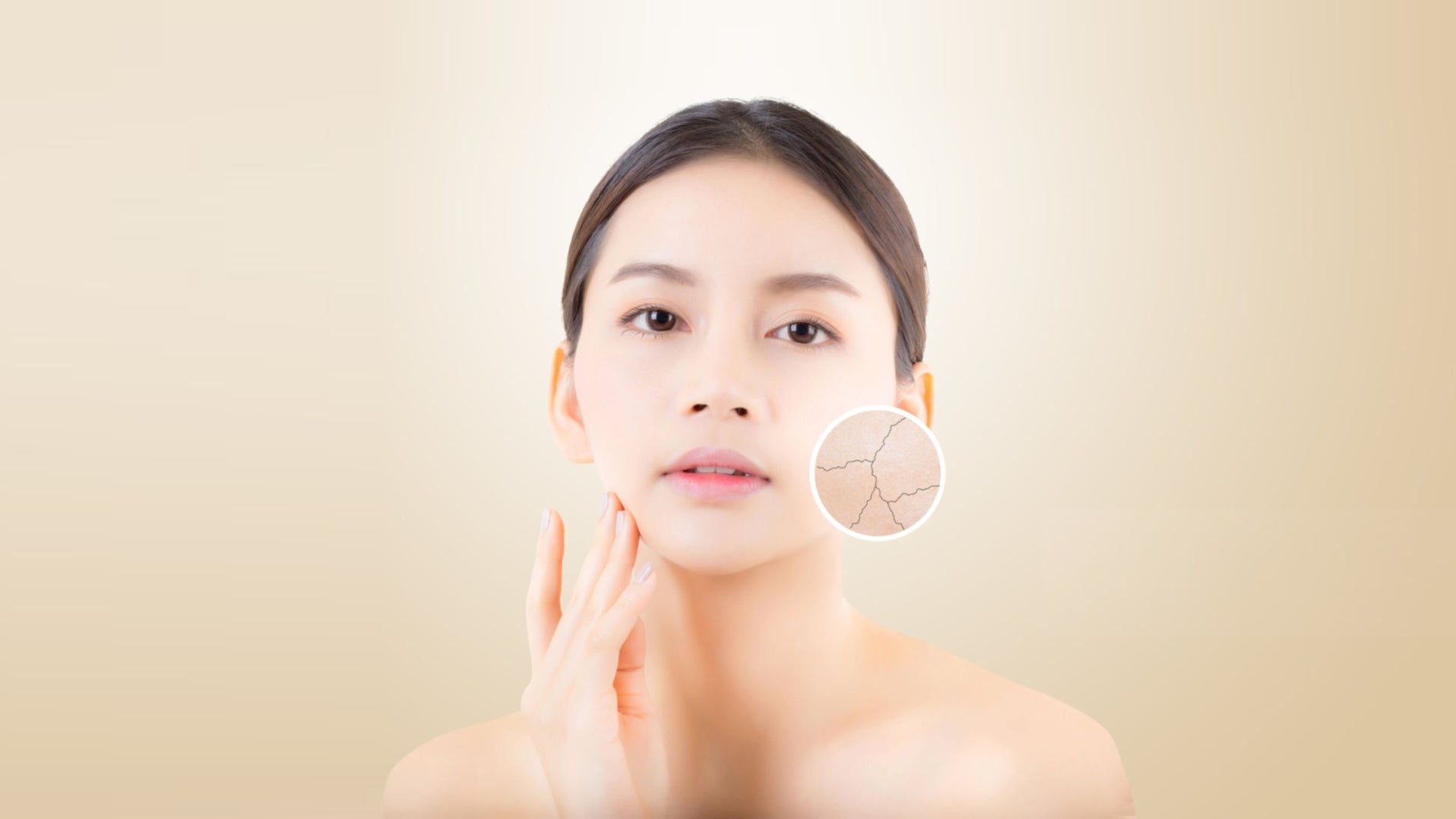
- 🌫️ Pollution is a skin-aging mechanism — PM2.5 particles are small enough to penetrate pores and trigger a biological cascade — oxidative stress → collagen breakdown → barrier disruption — that produces real, measurable outcomes: more pigment spots, deeper wrinkles, and persistent dullness.
- 🏠 Indoor air is the blind spot — In Jakarta, indoor PM2.5 (avg. 40.7 µg/m³) actually exceeds outdoor levels, and your skin does its deepest repair work at night — meaning your bedroom air quality directly competes with your skincare routine.
- ✨ Clean air as a beauty investment — Air purification and humidity control address the root environmental cause that topical products can't, making them arguably the most overlooked upgrade in any serious wellness or anti-aging regimen.
We moisturize obsessively, wear SPF religiously, and spend millions chasing glass skin — while breathing air that may be accelerating the exact aging we're trying to prevent.
Serum? Check. Retinol? Check. LED mask, collagen powder, Pilates classes, salmon sperm facial, protein smoothies, jawline contouring, "hot girl walks," and every TikTok skincare routine imaginable? Also check.
We are living in the era of optimization.
Gen Z calls it "looksmaxxing" — the internet obsession with maximizing physical attractiveness through skincare, fitness, grooming, procedures, and aesthetics. Even the spelling has evolved into the now-mainstream double-X version. Meanwhile, many middle-aged adults are entering their own version of "hotmaxxing": expensive gym memberships, hormone optimization, hair restoration, skin boosters, lasers, injectables, and increasingly aggressive anti-aging routines.
Modern beauty culture has become obsessed with products, but strangely indifferent to environments. We've turned skincare into a science — while ignoring the atmosphere our skin actually lives in.
The transformation of Jeff Bezos has become symbolic of today's executive image culture. The fascination around how Demi Moore seems to age in reverse reflects modern society's growing pressure to remain aesthetically competitive at every age. The modern face is under pressure to look permanently rested, sculpted, youthful, and camera-ready — even in cities where the air itself works against that goal.
But here's the uncomfortable question almost nobody asks: what if the thing aging your skin fastest isn't your skincare routine, but the air you breathe every day?
____________________
Because while people obsess over what they apply onto their skin, they completely ignore what constantly surrounds it: polluted indoor air. Modern research increasingly suggests that may be a major mistake.

Pollution Doesn't Just Affect Your Lungs
Most people think air pollution mainly damages the lungs or cardiovascular system. But your skin is actually your body's largest exposed organ — and it is constantly under environmental attack.

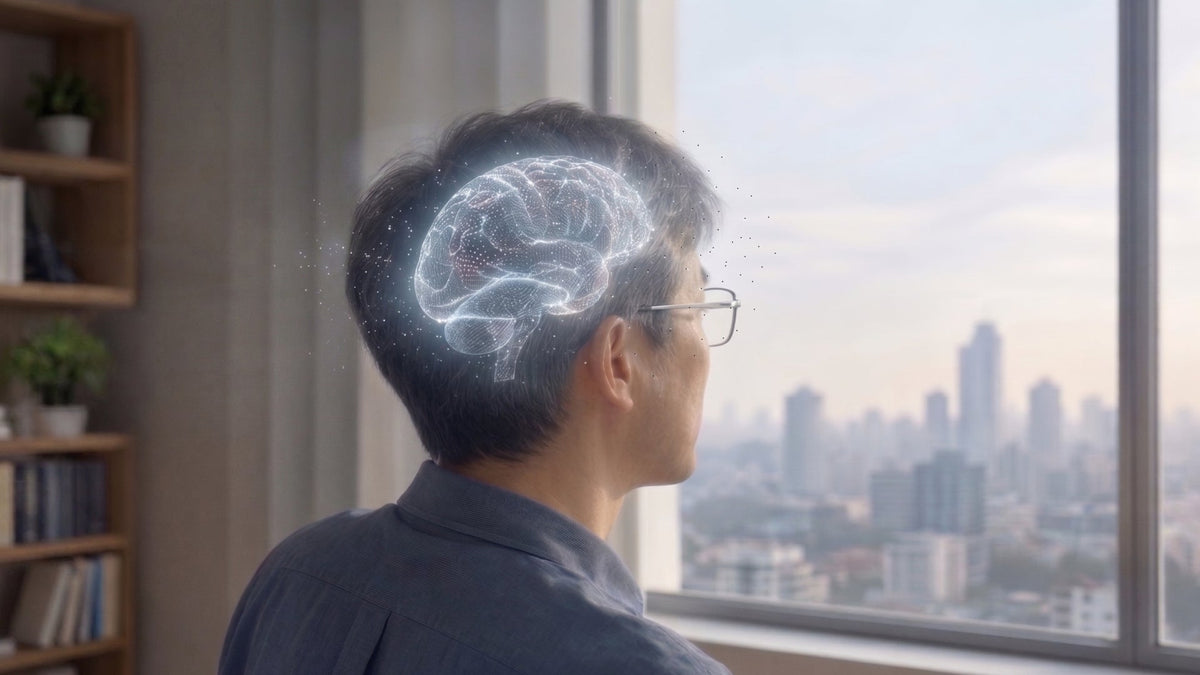
Fine particles like PM2.5 are small enough to penetrate pores and trigger inflammation deep within the skin. Research has found these pollutants generate reactive oxygen species (ROS) — leading to DNA damage, mitochondrial stress, lipid damage, and cell death in skin tissue. Oxidative stress is one of the major drivers behind visible aging.
Many people think they're simply aging. In reality, part of what they're seeing — the loss of glow, that perpetually tired look, skin that appears inflamed even on good days, makeup that never quite sits right — may be chronic low-grade environmental inflammation showing up on the face.
Think of your skincare routine as one side of a tug-of-war. Your serums, retinols, and SPF are pulling toward repair. Meanwhile, polluted air pulls in the opposite direction — degrading collagen, disrupting your barrier, and generating inflammation — every waking and sleeping hour.
You can't out-serum a polluted room.
____________________


What the Studies Actually Show
A 2025 meta-analysis in the journal Life reviewed four major epidemiologic cohorts on long-term PM2.5 exposure and clinical skin aging. Findings were consistent across populations in China, Germany, and Taiwan. The numbers are striking.

The City Where You Live and Breathe
For those in Jakarta and the greater Jabodetabek region, this research isn't abstract. The air quality data is deeply personal — and it has implications for every skincare decision you make.

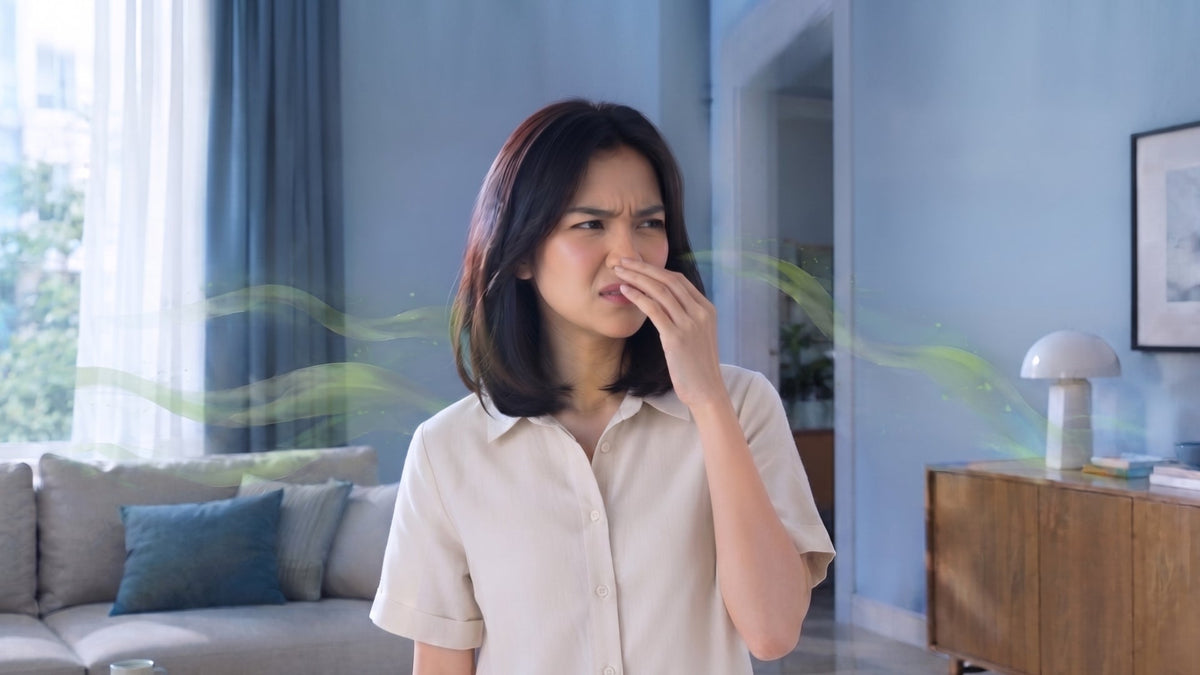
Now here is the fact that surprises most people: indoor PM2.5 levels can sometimes rival — or even exceed — outdoor pollution levels, especially in poorly ventilated urban homes. People assume home is a refuge. In Jakarta, the data often suggests otherwise.
The Humidity Paradox. Too Much. Then Too Little. All Day.
Here's what most skin conversations about Indonesia get wrong: the problem isn't simply high humidity — it's the constant swing between extremes that Jakarta life imposes on skin every single day.
Step outside: humidity sits at 80–85%, creating conditions where mold, dust mites, and airborne pollutants thrive. Step into any office, mall, or car: air conditioning pulls relative humidity down sharply, stripping moisture from the air — and from the skin's surface. A dehydrated barrier is a weakened barrier: more permeable to pollutants, slower to repair, quicker to show fine lines. That city-face look — subtly puffy, dull, reactive — often has less to do with your products and more to do with this cycle.
Most Jakartans cycle through this shift multiple times a day. The skin never gets to stabilize. The result is a barrier that's simultaneously sensitized and dehydrated — reactive to the outside world, yet moisture-starved indoors. And then there's sleep: your skin does its deepest repair at night, making bedroom air quality a skincare variable that doesn't come in a glass bottle.

The goal, then, isn't simply "lower your humidity." It's environmental stability — a controlled indoor space that stays clean, breathable, and consistent, so skin can actually do what your skincare routine is asking of it.
Your expensive skincare may be fighting an invisible enemy 24 hours a day, and that enemy lives in the same room as you.
____________________
In today's culture of looksmaxxing, glow-ups, and aesthetic optimization, the obsession tends to stop at the product shelf. It never reaches the air quality monitor. But the research is beginning to make a compelling case that the most durable beauty investment might not come in a serum — it might come in a filter.
Clean Air Is the Most Overlooked Beauty Upgrade
At Higienis Indonesia, we believe beauty and wellness are not just about what you put on your body — but also what surrounds it. Blueair air purifies the air of PM2.5 and fine pollutants.
 Boneco humidifiers restore moisture when AC strips the air dry.
 Stadler Form dehumidifiers bring balance when tropical humidity tips too far.
 Together, they create the stable indoor environment skin needs to actually recover.
For many people, an air purifier now sits in the same category as skincare, fitness, and supplements: part of a long-term investment in looking and feeling better. The difference is that this one work while you sleep.
Sources:
Oxidative contribution of air pollution to extrinsic skin ageing - ScienceDirect